
Guiding AI adoption: change management and rethinking roles
Introducing AI is not an IT project; it is a change project. Tasks shift, roles change, and managers must bring their teams along. We support management, HR, and managers from the initial diagnosis to an organisation that works with AI.
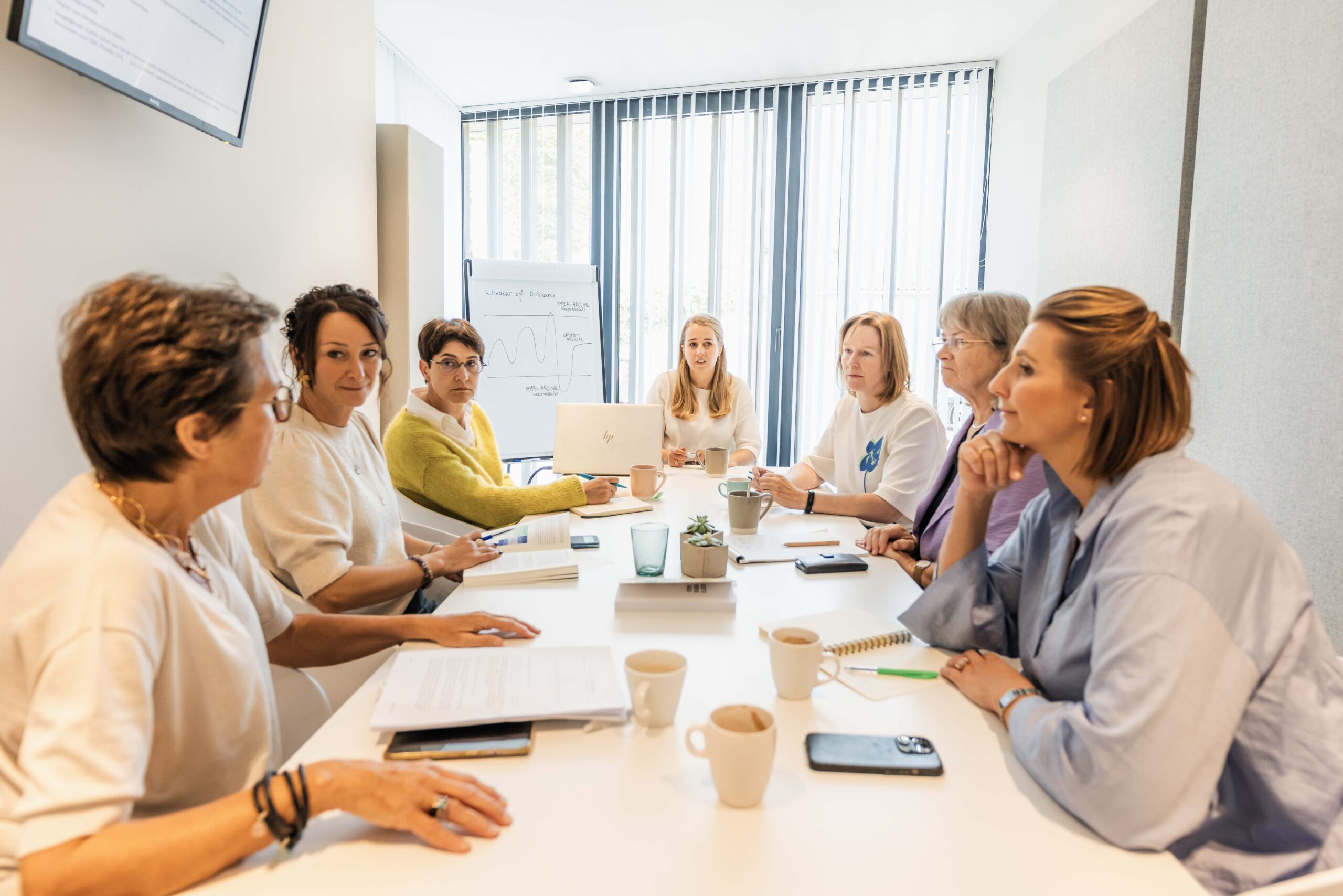
ICF-certified coacheswith a therapeutic background and HR knowledge
Technology is rarely the problem. It usually gets stuck in people and organisations.
Tools without direction
AI tools are being purchased or tried out, but no one knows what tasks they should support or what they will deliver.
We start with the tasks, not with the tools.
Shifting roles
Some tasks disappear, others appear. Functions no longer match the work that people actually do.
We rethink roles and job profiles.
Managers without a compass
They have to carry the change, but don’t really know how to lead their team through the uncertainty.
We coach managers during the implementation phase.
Is your organisation prepared for this change?
In a no-obligation consultation we will look at where you are at together.
Change management with a focus on people
Our coaches combine HR knowledge with a therapeutic background. In this way, we guide the structure of the change and what it does to people.
Rethinking roles
We map out which tasks are changing, which roles are emerging, and which skills are needed. Then we rewrite the job profiles.
Managers in their role
We coach leaders to bring about change, recognise resistance, and involve their team.
A plan that lands
Communication, training and follow-up are interconnected. This way, the change does not stop at a mere announcement.
How does a programme work?
Diagnosis
Conversations and an analysis of tasks and roles show where AI changes work.
Plan
With the management and HR teams, we are creating a change plan: new roles, an onboarding plan, and a communication approach.
Guidance
We coach leaders, guide teams, and take over when change stalls.
Embedding
New job profiles, agreements and follow-up ensure that the change continues.
The diagnosis usually takes four to six weeks. A complete course of treatment takes three to six months.
Who it's for
For SMEs and larger organisations where AI significantly changes the work environment. We work with management, HR and executives.
?Boards that want to deploy AI thoughtfully
?HR teams that need to rethink roles and job profiles
?Managers who lead their team through the change
?Organisations that already have tools but see their use stagnate
The technical side: AI in HR
Is it about AI tools for HR itself, for example in recruitment, onboarding or training? On our page HR technology & AI Read about how we help you choose and implement independently.
Do you want to focus primarily on the human side? Then the workshop is for you. People & AI a good start. We support employees whose job changes Career change and reskilling.
Frequently asked questions about AI adoption
What is change management in AI?
Change management in AI involves guiding people and organisations through the implementation of AI: adapting roles, supporting leaders, communicating, and following up. Without that guidance, new tools often remain unused.
What does rethinking roles involve?
We analyse which tasks are changing or disappearing, which roles are emerging, and which skills are needed. This results in new job profiles and a training plan.
Do you also choose the AI tools?
We help determine which tasks AI can support. You can read more about the selection and implementation of AI tools in HR on our page HR tech & AI.
How long does a programme take?
The diagnosis usually takes four to six weeks. A complete process takes three to six months, depending on the extent of the change.
What if employees see their jobs change or disappear?
Then we guide them through career change and reskilling, or a new step outside the organization.
Is this also feasible for an SME?
Yes. We adjust the scope to the organisation. For a small to medium-sized company, a compact diagnosis with a concrete plan often yields great results.
Interested in getting started?
A first consultation is without obligation. Tell us where you are at, and we’ll work together to find the best approach.